


The health and fitness market has become noisy enough to make a normal person want to delete every app and go take a walk without tracking it for once. Between strength training, cold plunges, protein timing, wearables, fasting, and whatever supplement is currently enjoying its 15 minutes, there are simply too many options.
So, what’s wrong with having options? Inherently, nothing, except if too many of them are presented as if they are the one thing standing between you and a healthier life. Options are useful, but strong product branding can make two very different products look equally convincing at first glance.
Below, we’ll explore how you can differentiate between what works and what just has a great marketing team behind it. But first…
Why Does the Market Feel So Crowded?
Health and fitness is no longer just protein shakes and running shoes. It now includes apps, wearables, meal plans, online coaching, wellness clinics, recovery tools, supplements, sleep trackers, mental wellness programs, and medical-adjacent services.
The wellness economy reached $6.8 trillion in 2024, so it is no surprise that more companies want a piece of it. When a market is that large, the result is more brands, more claims, more ads, and more pressure on people to optimize every part of daily life.
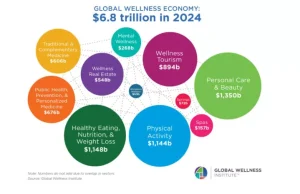
global wellness economy
At the same time, many people are still chasing wellness for more important reasons than fun. They are trying to lose weight, manage stress, improve sleep, reduce pain, build strength, or feel less tired. In the U.S., adult obesity prevalence was 40.3% during August 2021–August 2023, which shows why health solutions attract so much attention in the first place.
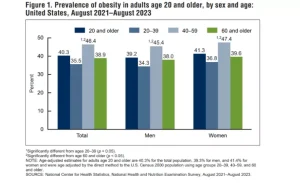
adult obesity prevalence during August 2021–August 2023
So the market feels overcrowded because people genuinely need help, and companies know that need is commercially powerful.
How to Make the Difference Between Loud and Helpful
A simple test that works surprisingly well is this: a loud product usually makes you feel behind, and a helpful product makes the next step clearer.
A useful fitness program should explain who it is for, what problem it solves, what kind of effort it requires, and what results are realistic. A useful supplement should be specific about ingredients, dosage, safety, and evidence. A useful app should help you understand your behavior, not just throw more numbers at you.
Loud products tend to rely on urgency. They use phrases like “game-changing,” “secret,” “biohack,” or the dreaded “doctors hate this.” They often make ordinary basics sound outdated, even though most people still benefit from those basics.
Helpful products usually sound less dramatic, explaining trade-offs and not pretending that one purchase can replace sleep, nutrition, movement, medical care, or consistency.
Start With the Problem
People see a smartwatch, gym offer, coaching package, or new wellness test and ask, “Could this help me?” But the question they should be asking is: “What am I actually trying to improve?”
Someone who wants to move more during the day probably doesn’t need a complex training app. They need a step target and shoes that do not hurt. So, before choosing anything, narrow the goal:
- Am I trying to improve strength, endurance, weight, sleep, mobility, pain, stress, or energy?
- Is this a short-term goal or a long-term behavior change?
- Do I need education, accountability, equipment, medical support, or convenience?
- What have I already tried, and why did it not stick?
Granted, this is less exciting than buying the newest thing, but it is also much cheaper.
Watch for Claims That Sound Too Clean
Be careful with claims that promise universal or effortless results. No matter how appealing a promise sounds, without context, it is meaningless, so the more personal the health claim, the more careful the explanation should be.
Also, many health and fitness businesses look impressive from the outside, with a nice website and confident messaging. But the real experience often depends on what happens after someone signs up. Can they get questions answered?
A service can only feel truly reliable if they have excellent front office management, their scheduling is on point, communication flows well, and it’s always clear who is responsible for the next step.
Do Not Worship Data
Data can be used badly. A company can quote one impressive number while ignoring the parts that make the number less impressive.
For everyday fitness choices, look for signs that a product or service is built around established principles like progressive exercise, realistic nutrition, sleep, recovery, behavior change, safety, and consistency.
Evidence matters, but not every useful decision requires reading clinical studies for hours.
Choose What You Can Actually Repeat
The best health plan is the one you can repeat when work is busy and motivation is low.
That may mean walking after lunch, using a boring but reliable medication reminder, getting in three basic workouts per week, and cooking simple meals instead of following a perfect macro spreadsheet.
A product that fits your real routine has a better chance than one that depends on your imaginary future self.